The Last Honest Job in a Rotten World
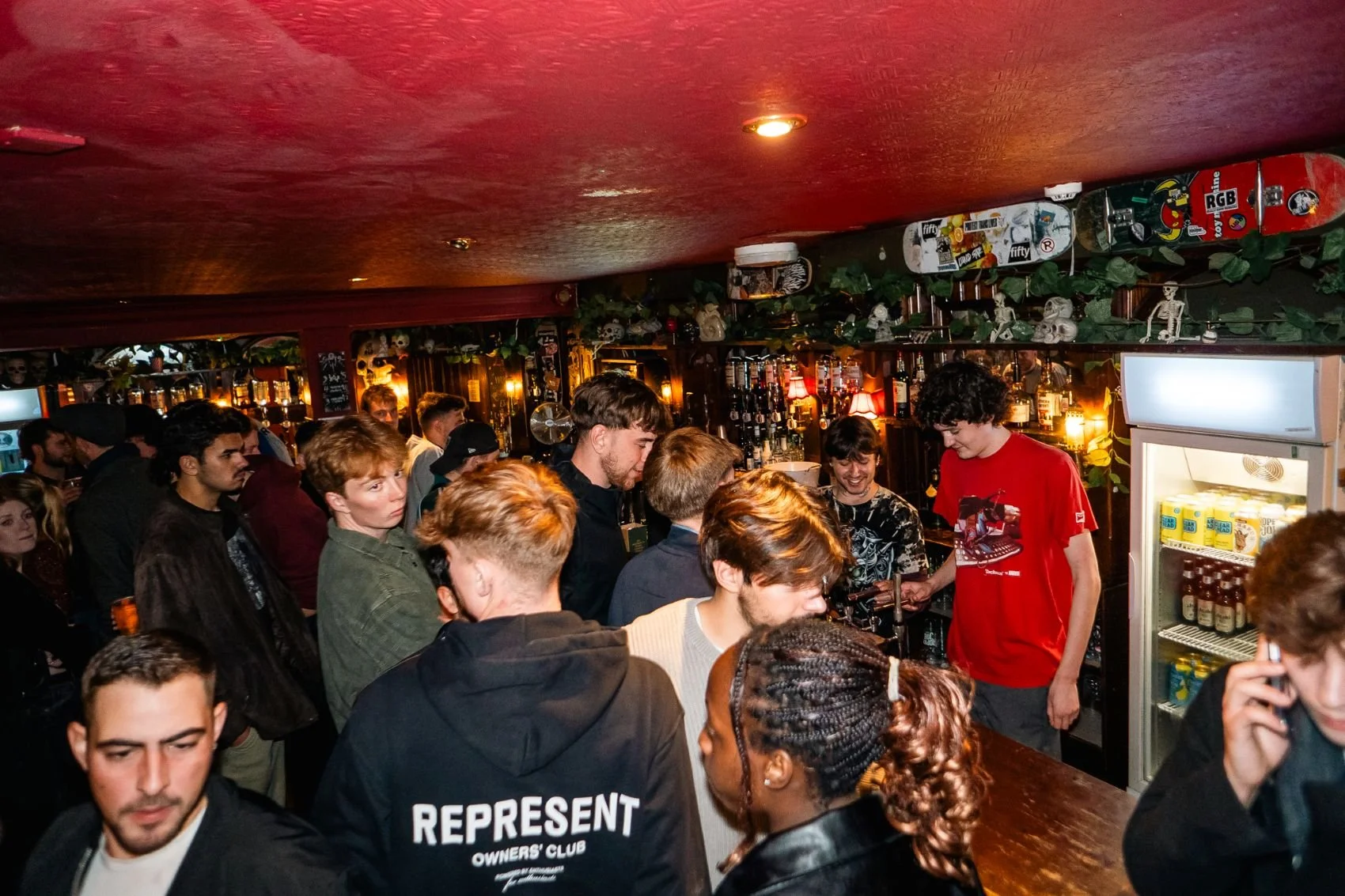
Let’s get one thing clear from the jump: this isn’t a job. It’s a grindhouse. A furnace. A dance with madness held together by duct tape, sarcasm, and broken glass. And the people who make it run? The working class. The real working class. Not the Instagram version with rolled-up selvedge denim and a curated accent. I’m talking about the people who claw their way through 14-hour shifts, who work bruised, broke, hungover, or one more eviction notice away from snapping—and still pull a pint with a joke, a wink, and their pride intact.
Hospitality is where the working class go to survive. And maybe—if they’re lucky—to matter.
Masters of Chaos
Forget the thinkpieces. Forget the TED Talks about “emotional labour.” The ones who keep this industry alive are the ones society loves to ignore—until their pint’s two minutes late. These aren’t just “front of house workers.” They’re counsellors, referees, paramedics, pit bosses, bouncers, babysitters, and priests. And they do it all for the price of a basic wage and a nod of respect—if they’re lucky.
In Britain, hospitality is seen as something you do while you’re figuring your shit out. Something you do between college and a “real job.” Between prison sentences. Between hope and resignation. Unskilled, they call it—like keeping 200 drunk strangers safe, served, and vaguely civilised isn’t a goddamn art form.
They treat it like a dead-end. A career for those who didn’t aim high enough.
What a load of bollocks.
You think it’s unskilled to command a room full of strangers with nothing but your eyes and timing? You think it’s easy to run a section with a hangover, a sprained ankle, and a head full of family problems, and still make every table feel like they’re the most important people in the world?
Worth Tied to Postcodes
It’s not a lack of skill that keeps hospitality on the floor. It’s class.
We live in a country still chained to the idea that your worth is tied to your accent, your schooling, your parents’ postcode. And the working class—real working-class people—carry that like lead in their pockets. You can be the best bartender in town, but if you didn’t go to the right school, didn’t grow up on the right side of the city, didn’t learn to code or sell your soul to a hedge fund, you’re invisible.
Hospitality is one of the last places that doesn’t give a shit about your CV. It cares whether you can graft. Whether you can show up. Whether you can stay. It gives people a way up—but society keeps dragging the whole ladder down by convincing everyone this industry is just a holding cell.
But you want to know what real heritage looks like?
Where Skill Isn’t Enough
Let me tell you about The Globe in Worcester. Long gone now, but it’s carved into my bones. My nan and granddad ran it. My mum was born upstairs. And before that, my great-grandmother held the place down when breweries gave pubs to people who could run them with guts and instinct, not spreadsheets and branding guidelines.
The Globe wasn’t some polished gastro nightmare. It was a local. Real voices. Real stories. Beer, grief, love, fights, reconciliations. People got married and buried with that pub as their backdrop. It wasn’t just work—it was legacy. And even though I never pulled a pint there, it’s in me. In the way I stand behind a bar. In the way I look out for the regular who’s three whiskies into something dangerous. In the way I read a room like it’s a novel I already know the ending to.
Craft, Calling, and Dignity
Working class isn’t something you grow out of. You don’t level up into another class just because your wage slips got fatter. It stays with you. It teaches you how to lead people without belittling them. How to hire the kid who’s rough around the edges but already knows what pressure feels like. It teaches you to see people properly, because for too long you were the one no one saw.
Hospitality can change lives. Not because it promises yachts and six-figure bonuses—but because it offers dignity. It gives someone who’s been chewed up by the system a chance to hold their head high. It gives people responsibility, purpose, and yes—sometimes—a shot at running the place.
It’s not a stepping stone. It’s not a consolation prize. It’s not some halfway house for people who couldn’t “do better.”
It’s a fucking craft. A calling. And the only reason people look down on it is because they’ve never had to carry plates with shaking hands while a table full of suits clicks their fingers at them.
So here’s to the ones who didn’t leave. Who didn’t “escape” hospitality because they never saw it as something to run from. Who built careers behind the bar. Who found meaning in the chaos. Who still carry their nan’s stories in their posture, and their granddad’s work ethic in their bones.
Working class and proud. Hospitality and proud. If that doesn’t land with you, that’s fine.
You’ve probably never had to earn your respect one plate at a time.